The most radical thing philanthropy can do is listen
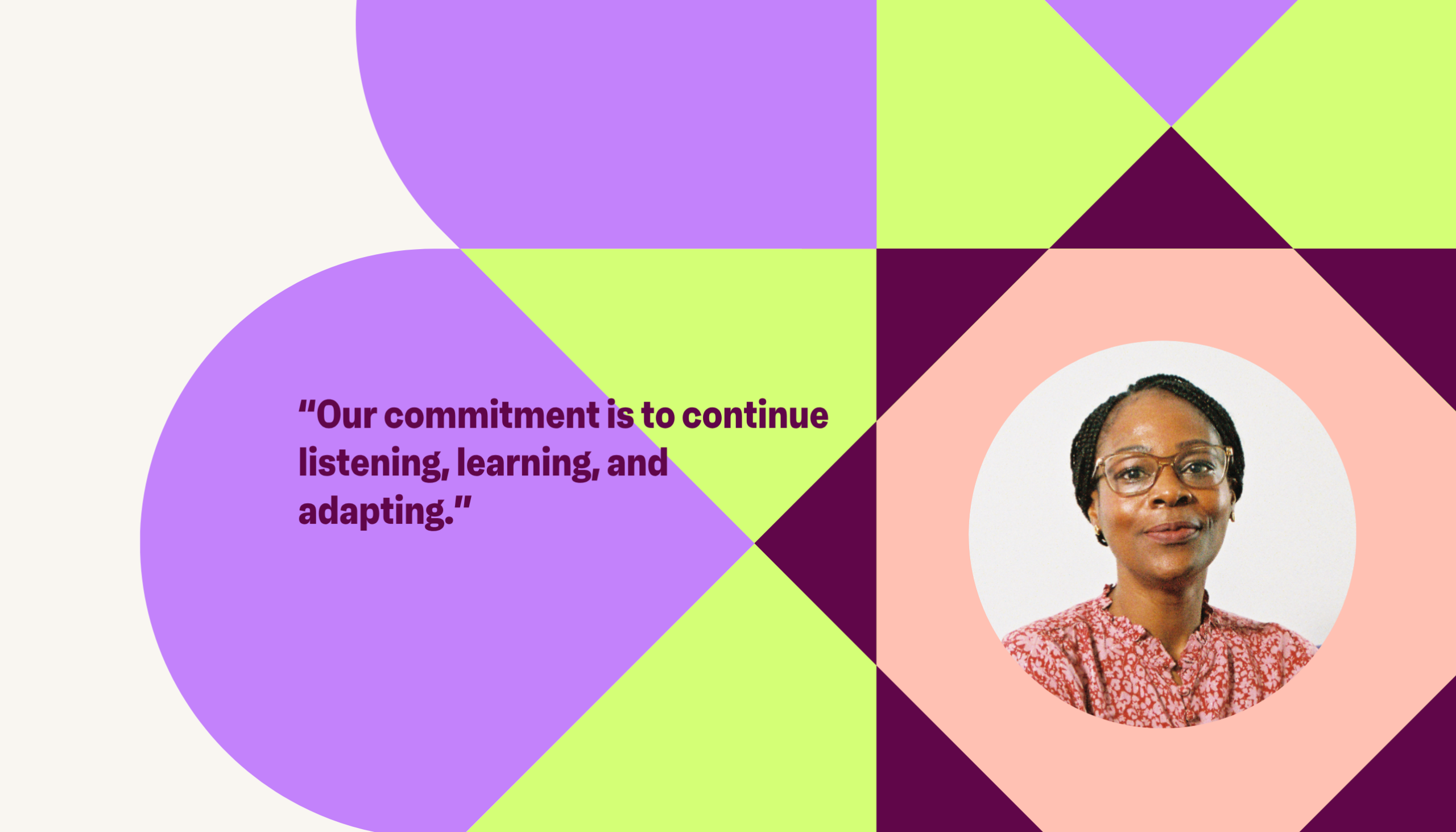
Written by Dilys Winterkorn, Deputy CEO
In philanthropy, one of the most radical things we can do right now is listen.
It sounds simple, almost passive. It isn’t.
Listening deeply, intentionally, and continuously to the people leading change is one of the most powerful ways to rebalance power and reimagine what effective funding looks like. At Tudor, we are learning that when we slow down and truly listen, everything changes: our understanding of need, our assumptions about impact, and even our sense of what “good funding” really means.
Across the social and racial justice sector, many leaders are running on empty. These are individuals who carry immense responsibility – holding their communities through trauma, injustice, and inequity, while also managing the daily grind of keeping small, underfunded organisations alive. They are dedicated and visionary, but they are tired..
Burnout has become a quiet epidemic among those driving some of the most important changes in our society.
This isn’t about personal resilience or a lack of dedication, but a systemic problem, one that philanthropy has helped to create. Leaders working for racial justice are often operating with less infrastructure, fewer resources and far less security than their peers in other sectors. Many are expected to deliver large-scale impact with minimal staff, inconsistent funding, and little time to reflect, rest or plan for succession.
When we take the time to listen to these leaders, we hear the truth behind the polished reports and project summaries. We hear about exhaustion, about the loneliness of leadership, and about the limits of working within a funding system that rewards constant delivery but rarely funds the conditions that make that delivery possible. We hear calls not just for money, but for space, repair, and stability.
Listening means being willing to sit with what we hear, even when it challenges the systems we’re part of.
It means recognising that the solutions people need are not always the ones we, as funders, had in mind. Through listening, Tudor is learning that sustainable change comes not from funding more programmes, but from funding the people and systems that make those programmes possible.
That’s why our current strategy places capacity building and leadership support at its heart. We are investing in the foundations – leadership development, governance, wellbeing and organisational health – that allow change to last. For many of the organisations we work with, this includes supporting succession planning, something that is often seen as a luxury but is in fact essential for sustainability. We cannot expect organisations to thrive when their leaders are burnt out and unable to plan for the future.
Listening also demands humility.
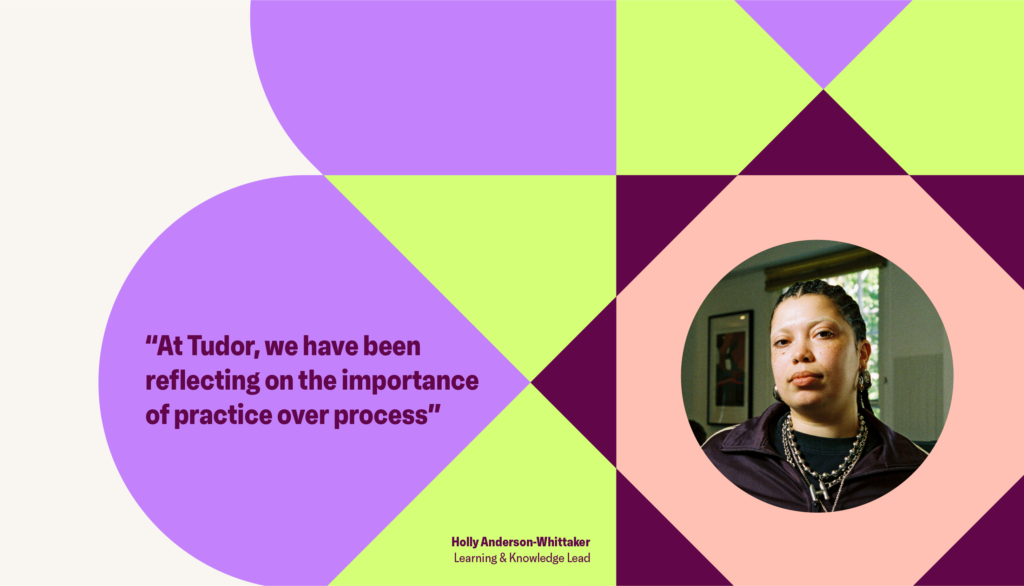
It reminds us that funders don’t have all the answers. At Tudor, we are embracing what we call an emergent approach – learning as we go, adapting as we listen, and staying open to what the process reveals. We are not trying to impose a fixed strategy on a complex and shifting landscape. Instead, we are trying to build a culture of curiosity, reflection, and responsiveness.
This way of working contrasts sharply with the broader culture of philanthropy in the UK. There is still a deep-seated fear of providing unrestricted funding, as though flexibility somehow undermines accountability. But we have found the opposite to be true. When you trust your partners and listen to their needs, unrestricted funding becomes one of the most effective tools for organisations to make decisions based on their reality, rather than the assumptions of a funder.
Listening is not a soft skill.
It’s a form of power redistribution. It requires funders to slow down, to question their own position, and to create space for those most affected by inequality to shape the response. It is an act of solidarity. It recognises that the people closest to the problem are also closest to the solution. At Tudor, we are beginning to see that listening well means being prepared to change ourselves – our systems, our language, even our definitions of success. It means accepting that our role is not to drive the agenda but to help create the conditions in which others can thrive.
The UK’s social and racial justice sector is filled with extraordinary people doing extraordinary work. But they cannot pour from an empty cup. We cannot build systems on the backs of exhausted leaders. If we want racial justice movements to endure, we need to fund beyond outcomes and instead resource the people driving these movements – their time, their repair, their succession and their ability to think long-term .
Our commitment is to continue listening, learning, and adapting. We will not always get it right, but we will keep showing up to the conversation. Because in a world that so often rewards speed, certainty, and control, choosing to pause, to listen, and to learn is an act of courage.