
Our history

70 years of history
The past stewards of Tudor understood their power and privilege and what it meant to act in service of the communities they cared about. Research undertaken by Historian-in-Residence Dr Jonny Matfin has helped us deepen our understanding of this history.
Gifted with a fully expendable endowment, past stewards made decisions that built the civil society infrastructure needed at the time. It is now for current and future stewards of Tudor to hold this gift with care and a commitment to justice.
History timeline
-
1950s
How Tudor started
The Tudor Trust was established on 1 March 1955 by Sir Godfrey Mitchell, chair of the Wimpey construction company. In its founding years, the trust was known as the Godfrey Mitchell Charitable Trust and was based in the head offices of Wimpey in Hammersmith, London. It was established with Wimpey shares worth around £1.45m (equivalent to around £33m today). The original 1955 deeds gave freedom to trustees to distribute both capital and income to any legal charitable organisation or for any charitable purpose.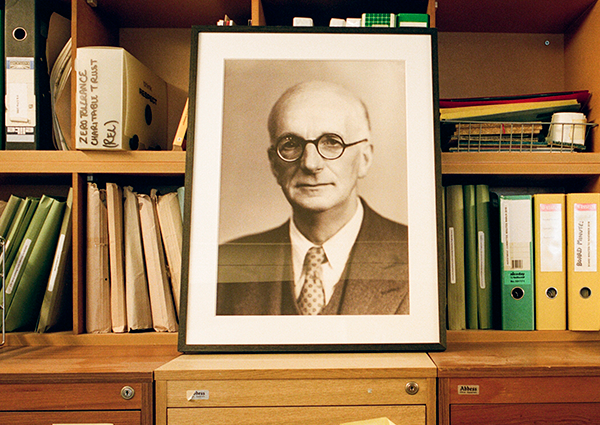
Wider context
The post war context saw an interest from politicians in Britain to expand the role of private philanthropy in helping to meet public need. Wimpey was one of many multinational corporations creating charitable trusts within the construction industry. -
1960s/70s
Charitable giving
The early years of the trust saw an entanglement between the interests of the business, family, and charity. Whilst Sir Godfrey was not formally on the Board, the lead directors were his daughters, Helen and Mary and other Board members were senior employees/advisors of Wimpey. This meant that grant-making reflected the areas of knowledge and interests of the board of directors, and took the form of capital grants. These were used primarily to build university departments and student halls. Smaller grants were awarded in the fields of education, care, health, and housing.
Wider context
Britain at the time saw changing attitudes towards the welfare state, depending on the policies of which political party was in power. Many large corporations provided for their workers, often in exchange for not forming unions. Politicians also took interest in the role of wealth holders in addressing social issues such as poverty and housing. During this period, trustees of the Godfrey Mitchell Charitable Trust remained modest in their own visibility in charitable giving, in the main identified as “anonymous donor”. -
1980s/90s
Professionalisation
By the late 1980s, Tudor had grown in confidence as a grant-maker, which allowed for a diversification in Board members and staff. It began operating under its current name, the Tudor Trust and in 1986, moved to the building that it still owns and occupies in Holland Park, London. The Tudor Board began to sell remaining shares in Wimpey, with a 1986 sale raising more than in £72m, and in 1993, raising an additional £110m. Tudor’s investment strategy enabled Tudor to increase its annual grant-making spend to £20m. The next generation of family members started to join the Board upon reaching the age of 25. Christopher Graves, son of Mary became the Director of Tudor.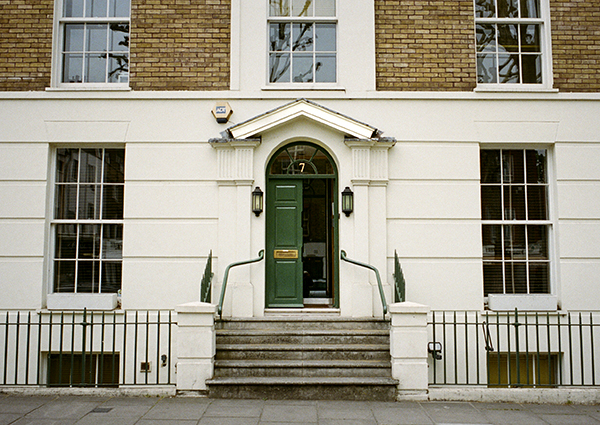
Wider context
When Britain entered recession in the 1990s, philanthropic foundations started to see greater turbulence in their income. Despite any shortfall in income, Tudor agreed to maintain a commitment of around £20m in grant-making. At the same time, the 1992 Charities Act aimed to increase public confidence in charitable institutions, through greater transparency and accountability. This led to greater expectations that philanthropic foundations like Tudor would publish all their charitable giving in directories. -
2000s/10s
Turn of the century
The third generation of family members were now the majority Board with Christopher advising on strategy in his role as Director. Tudor became a geographically wider funder, with small to medium grants across the UK. Tudor also funded internationally, particularly in Africa through a programme that later became known as Agroecology. Tudor embraced modern thinking in grant-making reducing the burden of lengthy applications and awarding core and multi-year funding. At the same time, the Board agreed that future generations of family members would not automatically join, raising the issue of succession.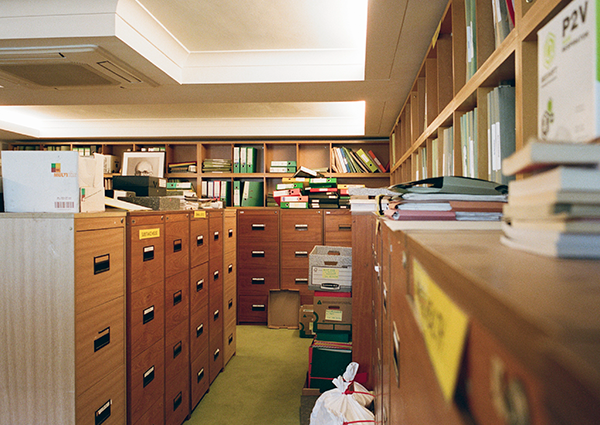
Wider context
The 2000s onwards are dominated by global economic crashes, wider geopolitical conflicts and an age of austerity. Tudor responded by accelerating capital spend, alongside income earned from investments. Approaches to investments began to align with social values of some philanthropic entities and Tudor moved its investments to an Environment, Social, Governance (ESG) portfolio. It also experimented early on with social impact investments. Disasters such as Grenfell also started to raise new questions for philanthropy as to their role in addressing structural issues beyond addressing the more visible causes on social issues. -
2020s
Transformation
The shock of a pandemic and the devastating consequences of inequality compelled Tudor to do more. For its existing grant-holders it offered top-ups and introduced wellbeing grants for staff within funded organisations. It also scaled up new grant-making. However, the realities of adjusting to working from home, whilst also increasing its workload, was not sustainable and compelled Tudor to pause its grant-making to new organisations in 2022. This allowed the time for deep reflection, whilst also continuing to support and make additional grants to existing grant-holders. Ultimately, succession planning also allowed for a responsible approach to transformation.
Wider context
Since the turn of the century, more has been demanded of philanthropy to reflect on its role in building resilience within the communities that it serves. Critical questions about systemic and structural racism and other intersectional injustices, including climate and migration, drove strategy reviews. In a more polarised world, where wealth is further concentrated and social justice goals are threatened, stewards of wealth must work through the complexities of deep, systemic change. Communities across the UK are becoming more imaginative in their strategies to build and thrive together. It is our role to live their ambitions.