Making our first set of grants by being the change we seek
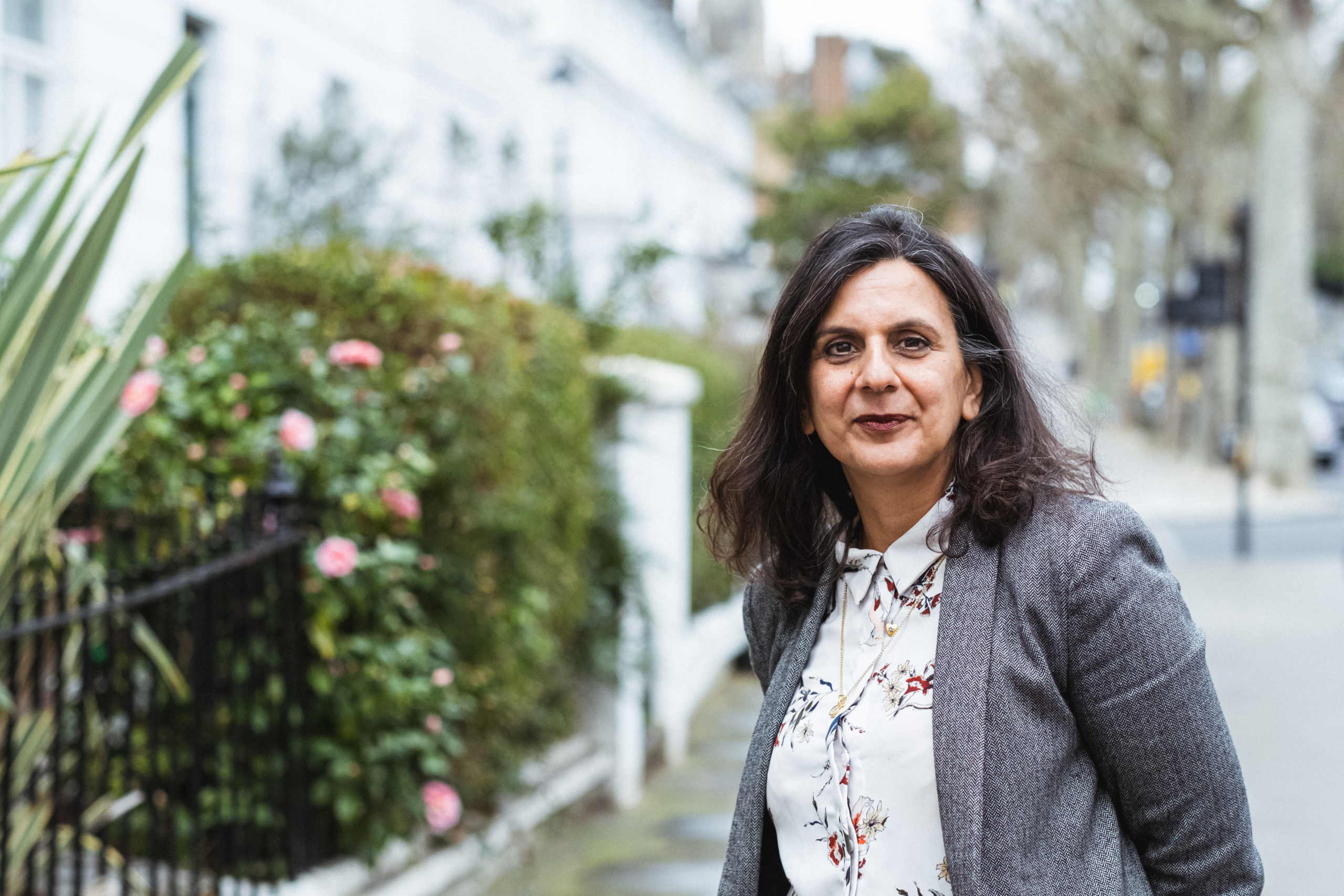
Written by Raji Hunjan, CEO
It is with enormous pride, that I can share with you, that the team at Tudor have now completed their first round of new grant-making. This is in line with the launch of our strategic approach in which we are moving away from the rigidity of a traditional strategy to one that is more emergent and has systems thinking at its core.
Emergent grant-making
At Tudor we are on a journey towards a world as it should be – one that moves away from scarcity and is more just and equitable. With this in mind, we are taking a learning approach to our grant-making. We have identified a first set of grant partners that we will walk alongside to better understand how we can advance racial justice for long-term systemic change. These grant partners are ambitious in their visions and aspirations for dismantling the old and creating new systems. We are very much looking forward to working with them as we continue to move forward.
Programme Team led grant-making
All grant decision-making was led by the team. They worked through the lens of learning alongside our agreed people and culture behaviours. We began by creating safety and the space for healthy challenge to confront unconscious bias and to hold each other to account as we worked to unlearn. Our initial field research was wide, and we discussed a very broad range of organisations. Key to our shortlisting was identifying strategic work that combined advancing racial justice with building pathways to new systems where more equitable opportunities are created for communities.
Moving away from our previous open application process allowed us to shift from creating competition and pitting organisations against each other to making robust decisions based on what we wanted to achieve through our Change We Seek framework. Our new application process is centred on supporting organisations to reflect on what they need and to build in the flexibility in how they may draw down funding going forward. We hope that this emerging model of grant-making will move us further away from a scarcity mindset, and instead to act on a shared understanding of the needs of our partners to build their long-term resilience.
Taking time to learn
Now that we have named our partners for this first round of new grant-making, we want to take time to start learning with them before we set the parameters for our next round of grant-making. When we start our new round of funding, we will continue to use methods of research, learning and systems thinking as we start to build the ecosystem around our learning partners. This means we will continue to invite organisations into our grant-making, instead of an open application process.
These are some of the questions we are moving forward with:
- What does it take to develop long-term and meaningful relationships that are steeped in shifting power from funder to grantee?
The lens of racial justice showed us that to truly live the scale of their ambitions, organisations require larger amounts of funding over a shorter period of time. We began our grant-making with the intention of designing ten-year, long-term funding relationships. However, we were reminded that organisations led by and for racialised communities have been systematically under resourced and that this needed to be addressed.
- What does it take to build resilience in those very leaders who are so often given a platform and yet are still operating without long-term sustainable funding models?
We are learning about the enormous pressure on those leaders who have stepped up over the last five years, teaching us all about racial inequity whilst also demonstrating the ways in which the ambitions of communities could be met. Many of those leaders have continued to be under resourced. This weighs heavily on us, as we start to think about our support beyond funding.
Building on the lessons of the past
As we have moved towards a more emergent form of grant-making, bridging from Tudor’s long-standing history of flexible funding has been important. Key to this has been paying attention to good exits. The negative impact of ending funding relationships, particularly for those organisations who have less opportunity to diversify income streams, seems to be one of the most unintended symptoms of traditional funding models. Over the last four years, we have listened to many organisations we have funded, and considered different ways in which we can ensure responsible exits. This learning will form part of how we build resilience and the long-term sustainability of our grant partners going forward.
Our transparency as we continue to evolve
Tudor’s grant-making practices will continue to evolve in a way that deepens our commitment to systemic change and strengthening organisations, leaders and their communities. The team is committed to learning alongside our grantees and ensuring sustainability for the organisations we support. This is the start of the new Tudor and the change we seek. I look forward to sharing more.
Hear more about our Change We Seek strategy by watching our short film.
You can find out more about our grant-making here.